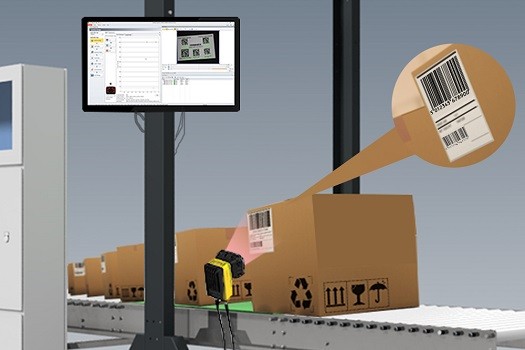
Incorporating OCR technology into inventory management systems transforms traditional manual processes into efficient, automated workflows. This integration leads to more accurate, real-time tracking of inventory, enhancing overall operational performance and contributing to a more responsive supply chain.
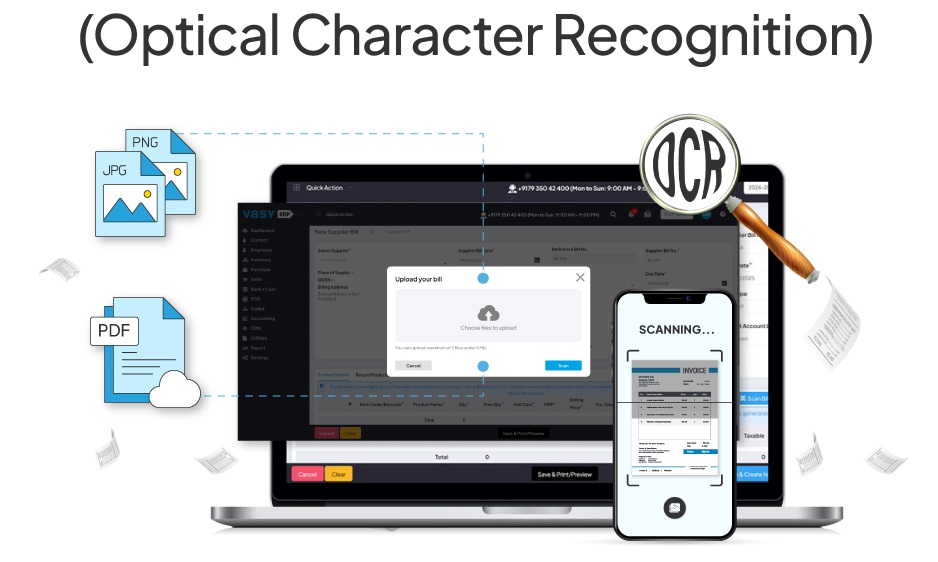
Optical Character Recognition (OCR) is a technology that converts different types of documents—such as scanned paper documents, PDFs, or images captured by a digital camera—into editable and searchable data. OCR technology continues to evolve, incorporating advancements in artificial intelligence and machine learning to improve accuracy and handle complex documents.
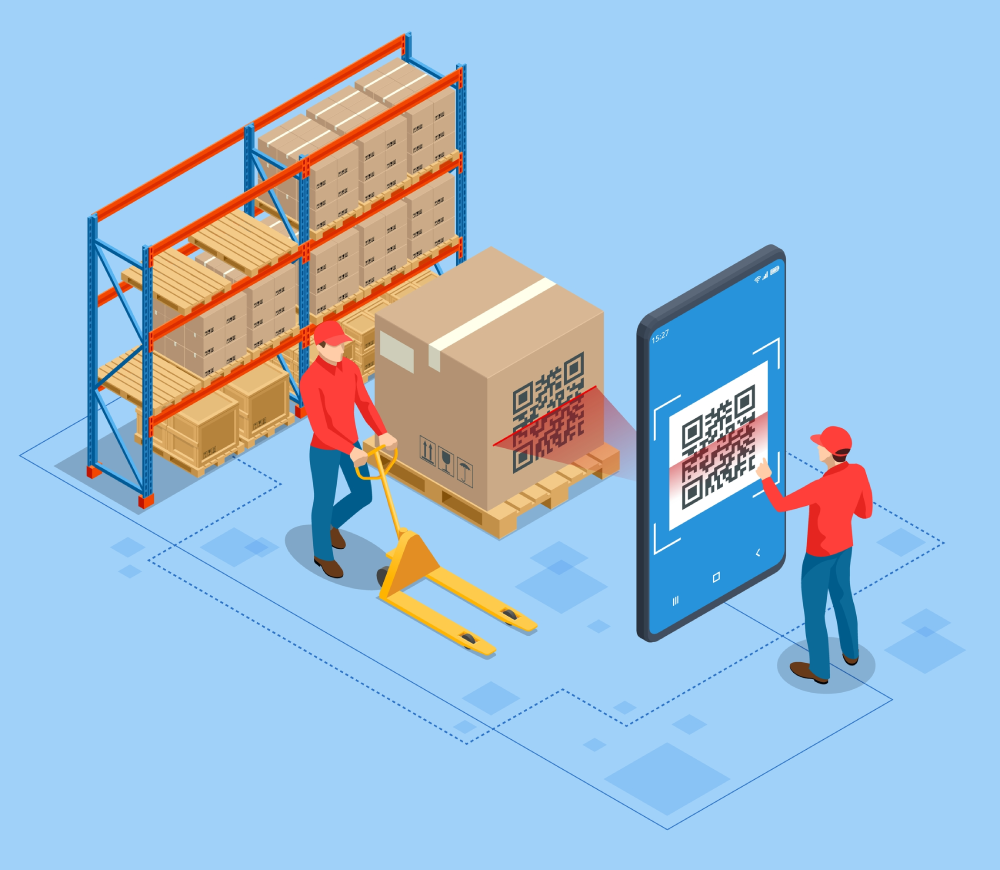
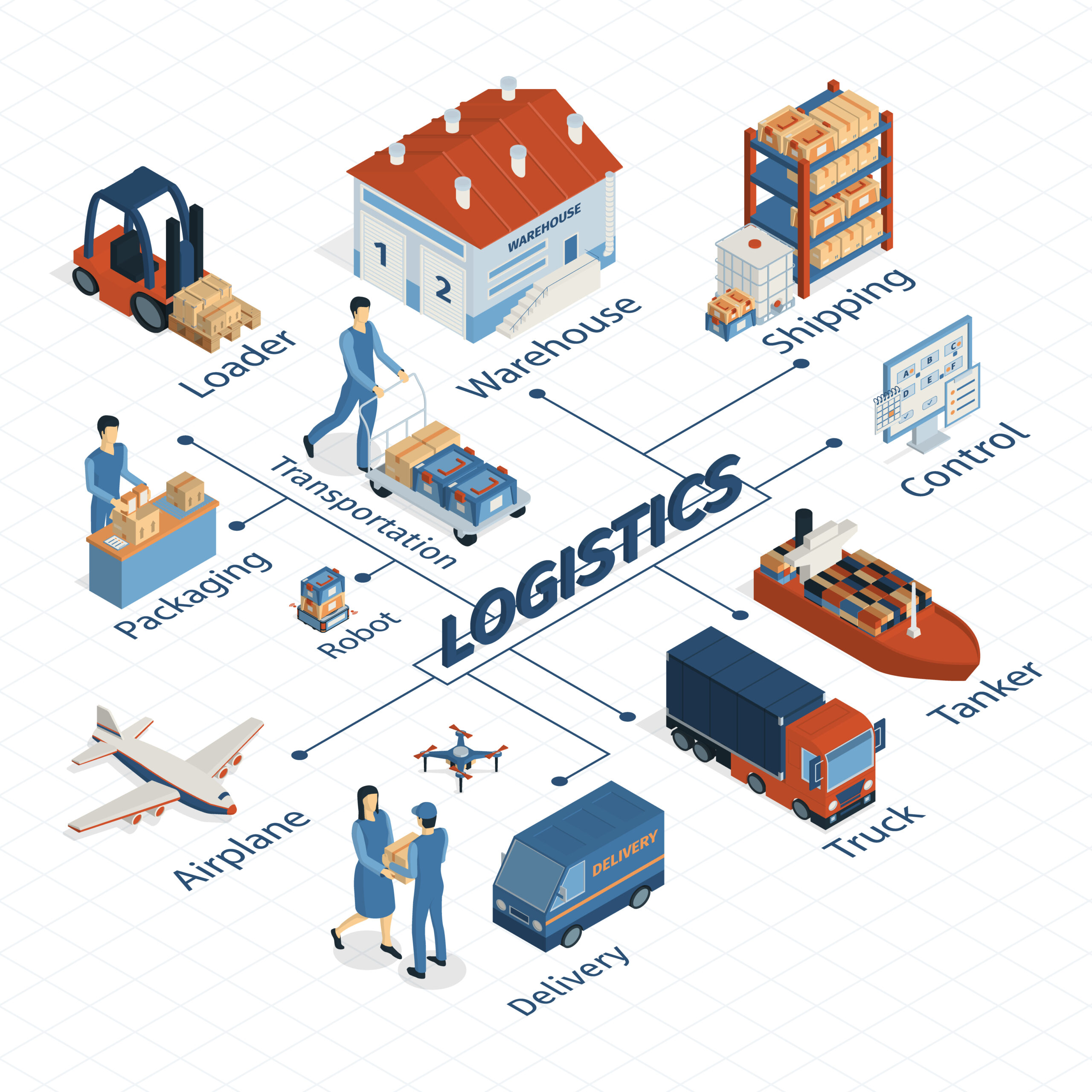
Inventory management involves overseeing the flow of goods from manufacturers to warehouses and from these facilities to point of sale. It encompasses the processes of ordering, storing, tracking, and controlling inventory to ensure that businesses can meet customer demand without overstocking or understocking. Advanced technologies such as inventory software and data analytics enhance these processes through real-time tracking, demand forecasting, and automated replenishment.
Applications of OCR in Inventory Management
-
Automated Data Entry:
- Scanning Documents: OCR enables the automatic extraction of information from invoices, packing slips, purchase orders, and shipping labels, reducing the need for manual data entry and minimizing human errors.
- Barcode and Label Recognition: By reading product labels and barcodes, OCR systems can update inventory records in real time, ensuring accurate tracking of stock levels.
-
Real-Time Inventory Updates:
- Instant Stock Level Adjustments: As items are scanned during receiving, storage, or shipping, OCR systems automatically update inventory databases, providing up-to-date stock information.
- Enhanced Visibility: Real-time data allows for better monitoring of inventory across multiple locations, facilitating informed decision-making regarding stock replenishment and distribution.
-
Improved Accuracy and Efficiency:
- Error Reduction: Automating data capture with OCR minimizes the risk of manual entry errors, leading to more reliable inventory records.
- Faster Processing: OCR accelerates the processing of inventory-related documents, such as receipts and returns, by quickly extracting and organizing relevant information.
-
Enhanced Inventory Tracking and Reconciliation:
- Product Tracking: OCR facilitates the tracking of products throughout the supply chain by capturing serial numbers, batch numbers, and expiry dates, which is particularly beneficial for perishable goods.
- Inventory Reconciliation: By comparing scanned data with digital records, OCR aids in identifying discrepancies between physical stock and system inventories, ensuring alignment and accuracy.
Benefits of Implementing OCR
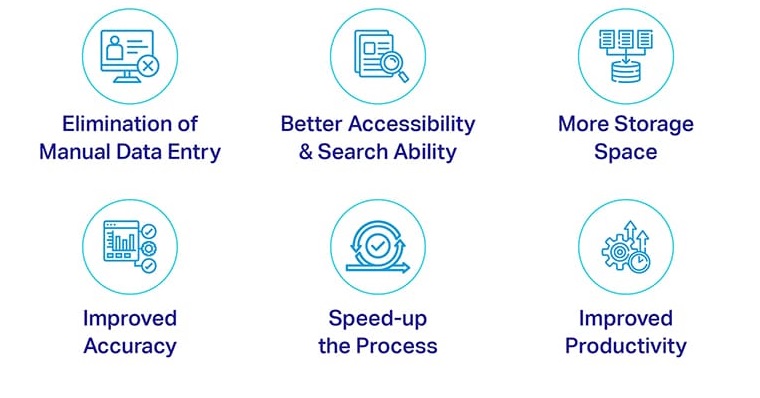
- Operational Efficiency: Automating data capture and processing reduces the time spent on manual tasks, allowing staff to focus on more strategic activities.
- Cost Savings: By minimizing errors and streamlining processes, OCR can lead to significant cost reductions in inventory management operations.
- Scalability: OCR systems can handle increasing volumes of inventory data without a proportional increase in labor, supporting business growth.